


How Myopia Management Helps Slow Down Vision Changes in Children
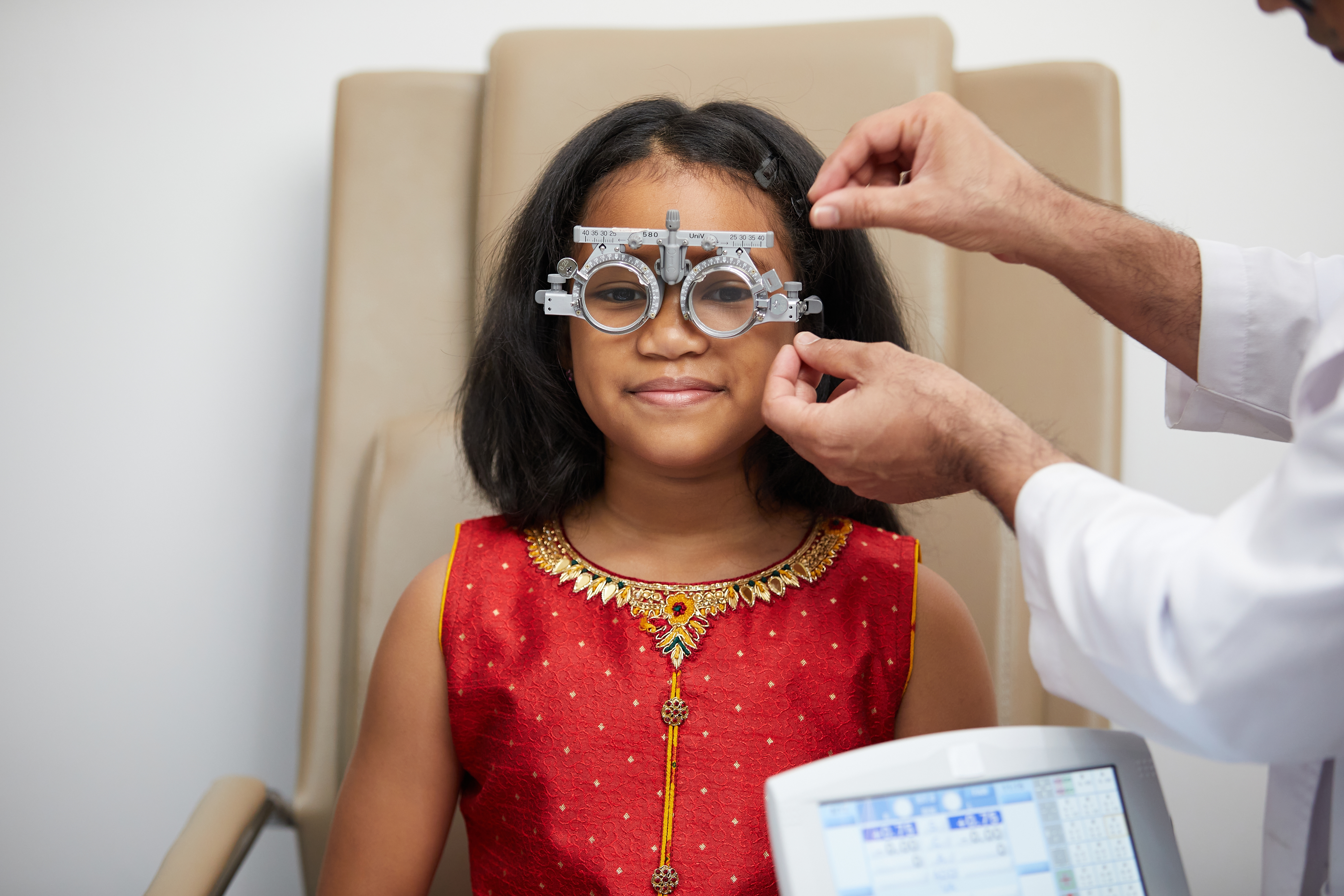
If your child just started wearing glasses, you may think you are done. But with myopia, nearsightedness often gets worse over time. Myopia management does not just correct vision; it actually slows the progression. Here is what to know.
What Is Myopia?
Myopia usually results from the eyeball growing too long. Light focuses in front of the retina rather than directly on it, making distant objects appear blurry. It usually starts between ages six and ten, then progresses until the late teens or early twenties.
Why Not Just Stick With Regular Glasses?
Standard glasses temporarily fix the focus problem. They bend light so the image lands on the retina. But they do nothing to stop the eye from continuing to elongate. The child sees clearly, but the underlying condition keeps getting worse.
What Is Myopia Management?
Myopia management refers to treatments designed to slow the rate of eye growth. These are different from standard glasses or contacts. They are specialized tools that do two things at once: they correct vision for daily life, and they send signals to the eye to stop elongating so quickly. The goal is to reduce the final prescription your child ends up with as an adult.
The Treatment Options
- Specialized Glasses
These glasses look normal, but they use special lenses. They focus light differently at the edges of your child’s vision, which tells the eye to slow its growth. The center of the lens still provides clear vision for daily activities. Glasses are often chosen first for younger children because they are easy to use and safe.
- Soft Contact Lenses
Some soft contact lenses feature a dual-function design. One part helps your child see clearly, while the other signals the eye to slow growth. Many families choose daily disposable contacts. Older kids and teens often like contacts for sports, activities, or simply not having to wear glasses.
- Orthokeratology (Ortho-K)
These are rigid contact lenses worn overnight. They gently reshape the cornea so your child sees clearly all day without any lenses or glasses. The reshaping process itself creates a myopia control effect that slows eye growth. This option is great for active kids who do not want to deal with daytime lenses.
- Atropine Eye Drops
Low-dose atropine, usually 0.05% or 0.01%, has been shown to slow myopia progression. The drops do not correct vision, so glasses or contacts are still needed. Some children experience light sensitivity, but lower doses reduce it. Atropine can also be used alongside other treatments for an extra layer of control.
Factors That Influence Success
- Start Early for Best Results
Myopia progresses fastest in younger children. The treatment will be most effective when it begins earlier. Waiting means more progress happens before anything is done to slow it. Once the eyes stop growing in the late teens, the window for slowing progression closes.
- Outdoor Time Makes a Difference
Time spent outdoors supports myopia management in ways that indoor activities cannot. Natural light and looking at distant objects both play a role. Studies show that children who spend about 2 hours outside each day have better outcomes if they are using other treatments.
- Consistency Matters
All these treatments only work if they are used as directed. Glasses and contacts must be worn for the recommended hours each day. Atropine drops need to be used daily. Ortho-K lenses must be worn every night. Skipping doses or days reduces effectiveness.
- Regular Checkups Keep Things on Track
Children who are managing myopia need more frequent eye exams. These checkups help the doctor track progress, make treatment adjustments if needed, and spot problems early. This extra care is an important part of successful myopia management.
For more on myopia management in children, schedule a comprehensive assessment at Iris Bright Optometry in Irvine or El Cajon, California. Call (949) 585-9403 or (619) 447-8494 today, and give your child the lasting advantage of proven myopia control.
https://www.mykidsvision.org/knowledge-centre/what-is-myopia-control-and-why-its-important


MAP
Powered by: